

Our history
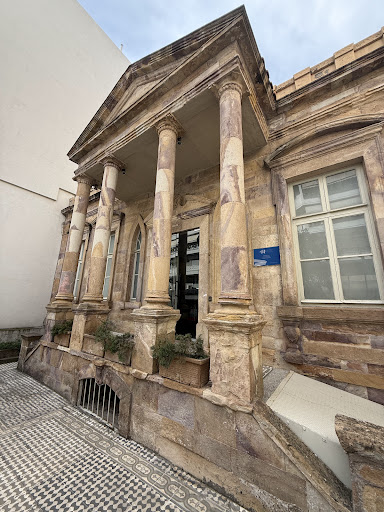
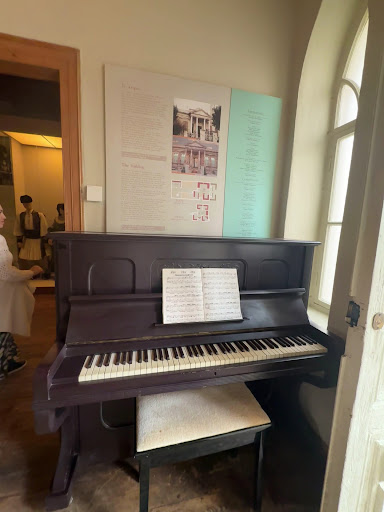
The Ethnological Museum of Thrace is a Non – Profit Organization that has been open since 2002, with the purpose of preserving the historical memory of Thrace as well as studying and showcasing Thrace’s culture to the rest of the world. Based in Alexandroupolis in a stone neo-classical building constructed in 1899, it is a self-funded establishment occasionally funded by various organizations.
An active force in the cultural activities of the wider area of Thrace, in 2005 it was nominated for the European Museum Award and received praise for its contribution to the local society.
In 2015, the Ethnological Museum of Thrace was honored by the Benaki Museum for its significant role in keeping the historical memory of Thrace alive, as well as for its research and promotion of the traditions and customs in Thrace on a national and international level.
Mission statement
Our vision is to make the Museum, a place where people can familiarize themselves with the history and civilization of Thrace; a center for researchand creation, in order to:
- Safeguard historic memory, discover, gather, preserve the Museum collection and all signs of Thracian civilization.
- Do research and assign study projects, in order to study, research and promote Thracian culture.
- Produce material in various forms (digital, print)
- Participate in alternative ways of learning through educational programs and workshops for all ages.
These are part of the Museum mission statement, aiming to make society more aware and active in safekeeping and preserving regional culture, as well as the importance of integrating it into modern, cultural life.
My life-long relationship with the traditions of Thrace has led me to the creation of the Ethnological Museum of Thrace with the sole purpose to safeguard the authenticity of Thrace’s culture, as well as to promote the individual and diverse expression of the ethnic groups of the wider region, where for centuries, they have been leaving their mark on a daily basis. I feel that the ethnological and historical collection of the Museum, which took a lot of time and effort to collect, does more than just contribute to the preservation of the local history and tradition. It offers a unique view to the past and plays a key part in shaping the future.
Angeliki Giannakidou – Founder & president of the Ethnological Museum of Thrace
They have written about us

Kathimerini
Margarita Pournara
By bringing together all the experiences, she developed a straightforward museum narrative highlighting the wealth and diversity of Thracian tradition, which is interwoven with the influences of different cultures and religions.

LIFO
Christos Paridis
This is a very significant collection and a vast research that she dedicated her life to.
Lifo
Archive
Aliquam tempus mi nulla porta luctus. Sed non neque at lectus bibendum blandit. Morbi fringilla sapien libero.
Our team
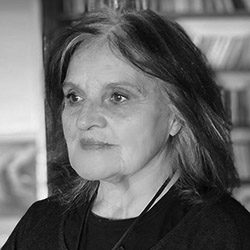
Angeliki Giannakidou
Founder & President
Angela Giannakidou has been actively researching the region of Thrace for the past 40 years. In 2002 she founded the Ethnological Museum of Thrace, showcasing the culture and history of the region from the 17th century up to the 20th. She has published books and edited publications on Thrace and has given numerous speeches and lectures all over Greece on the subject of Thrace. Produced 25 documentaries and curated various exhibitions both with the museum and as an artist. She is the main designer and creator of all the museums art creations
with the aim of redesign traditional techniques with a modern aesthetic. At the same time she mentors over 25 women in matters of cultural economy. She is a member of the National Board of Museums in Greece and was awarded in 2021 by the Greek department of UNESCO for her work and impact. Her last venture is Riza a Network of artisans in Thrace.
Valentina Sokratous

Museum Coordinator
Valentina Sokratous has been working as a Museum coordinator since 2018 and head of Museum Learning since 2011. She started in 2007 at the museum as a facilitator. She designs and implements community projects and workshops in various groups, using multible techniques and approaches. As well as an experienced cultural manager in social change based projects. Her studies are in the field of Pedagogy and she has an MSc in Innovative Approaches in Learning in Multicultural Environments. She is an alumni from START-Create Cultural Change /Goethe-Institut Thessaloniki & Bosch Foundation 2019-20 and the US.Embasy of Greece residensy recipient for 2021 & 2023 for the “Promoting Social Change Through the Arts” International Visitor Leadership Program. She has created and participated in varius performance art projects.
Makrina Tsagiannidou

Archive and Documentation
She was born and raised in Alexandroupoli. She is a graduate of the Department of History & Ethnology of the Demokriteio University of Thrace. She was for two consecutive years a volunteer in the museum pedagogy department of the Folklore Museum of Komotini. Since October 2017, she has been working at the Ethnological Museum of Thrace. She deals with the digitization and archiving of archival material as well as general operational tasks. At the same time, she implements educational programs at the EMS. She is completing her postgraduate studies in the field of Tourism and Culture. Her research interests range around the general organization and operation of a museum, history and social anthropology.
What our visitors say
 Η επίσκεψη στο μουσείο αυτό άξιζε πολλά! Οι πληροφορίες που σου δίνει, το υλικό που παρουσιάζει, είναι απαραίτητα για την κατανόηση της ποικιλομορφίας και της ιδιαιτερότητας της Θράκης! Συγχαρητήρια στην... read more

November 1, 2016
´Ενα αξιόλογο διαφορετικό μουσείο με υπέροχους ανθρώπους!
May 28, 2017
 !!! - !!!!!!!!!!!!!!!! Very nice place !!!!!!
eksairetiko meros, evgenikoi oloi tous . to systinoyme anepifilaxta !!

 kuriakosa991
September 15, 2022
The Ethnological Museum of Thrace is housed in a lovely neoclassical building from 1899, now all lost between modern apartment blocks. It is a tourist-friendly museum, since - unlike the... read more
 saronic
November 7, 2017
Küçük bir müze ama keyifliydi öneririm.

 Гюлнур Камбер
November 20, 2025
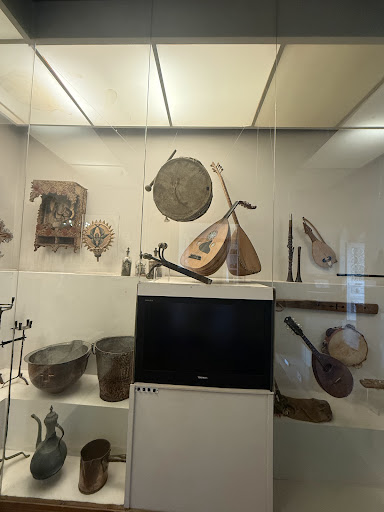
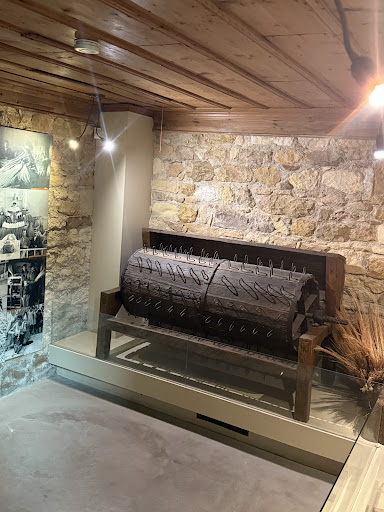
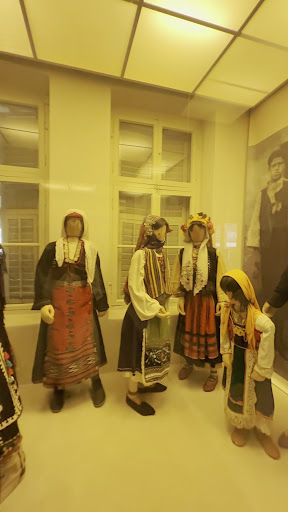
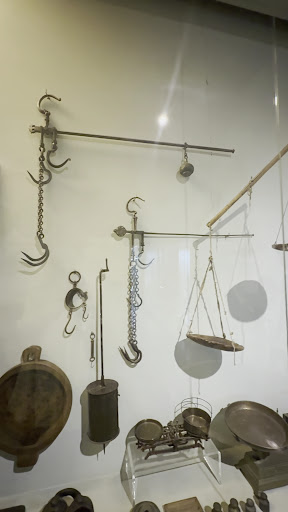
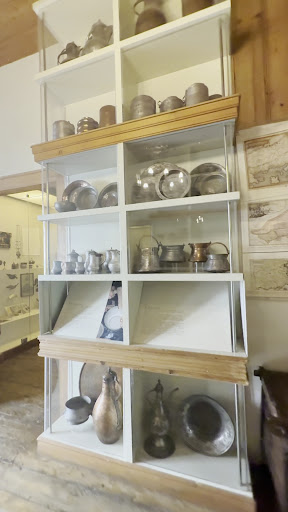
Bu ortak kültürü görmek hem çok mutlu etti hem çok duygulandırdı. Böylesine bir müze beklemiyordum kesinlikle gidip görülmesi gerekir
 Ayşe ozcan
November 13, 2025
Support
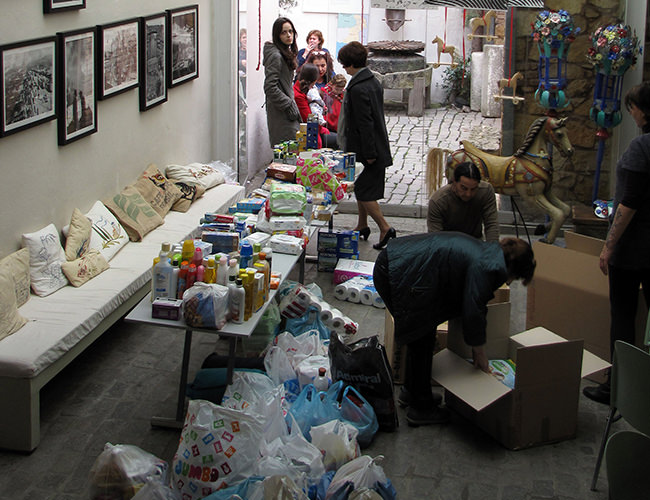
The Ethnological Museum of Thrace needs your support. Be a part of local history by supporting our actions and participating in our seminars and events. Click on the button bellow and find ways to help our museum grow.
Visit
Plan your visit to the Ethnological Museum of Thrace.
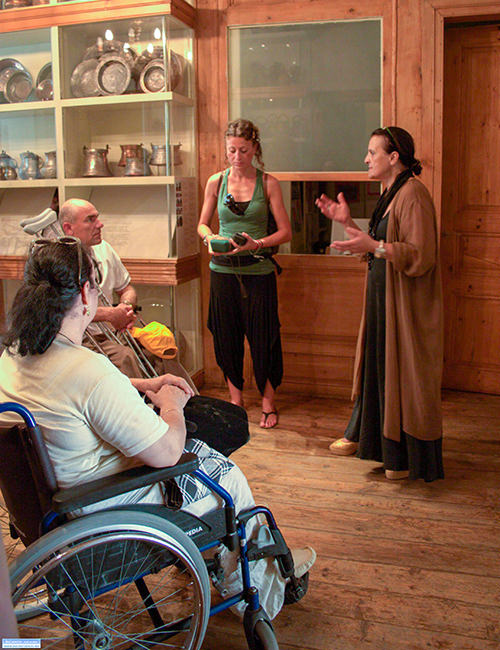
Find out about guided tours and group activities. Click on the button bellow to get all the information.
Building
Find out more about the fascinating story of the building that hosts the Ethnological Museum of Thrace by clicking on the button bellow.